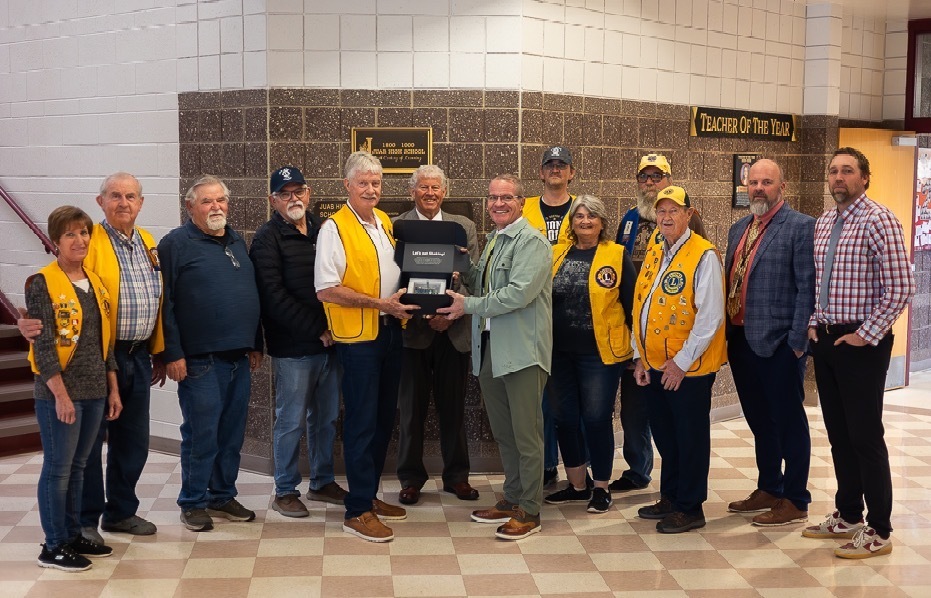
March 30, 2026 — A new partnership between the Nephi Lions Club and the Desert Research Institute is transforming how Juab High School students experience science—bringing real-time earthquake data and hands-on learning directly into the classroom.
Earlier this school year, DRI faculty visited Juab High School to install the first seismic sensor as part of their developing Utah High School Seismic Network (UHSN), an initiative designed to place professional-grade seismic monitoring equipment in high schools for educational use. While that initial visit marked an exciting step forward, an additional sensor was needed to complete the system and maximize its educational potential.
That’s where the Nephi Lions Club stepped in.
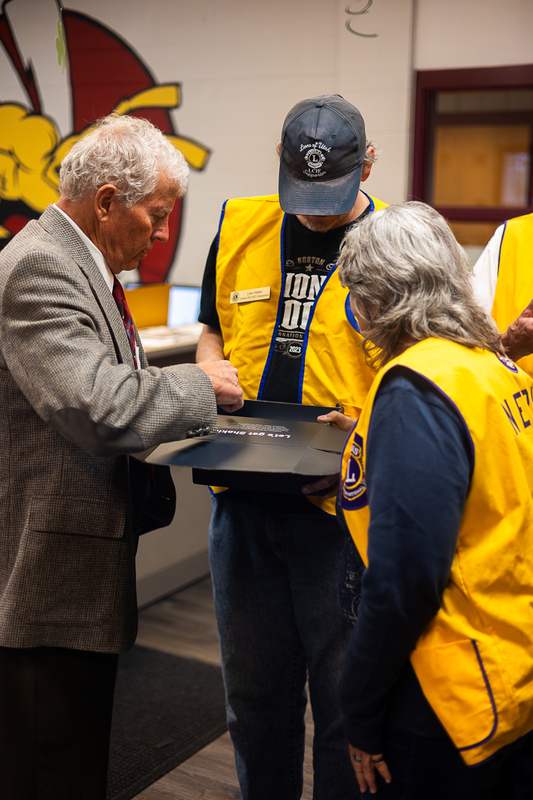
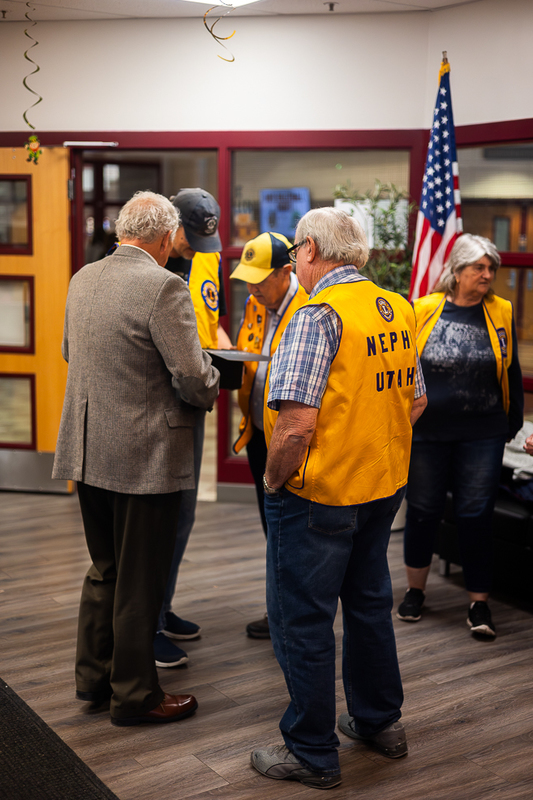
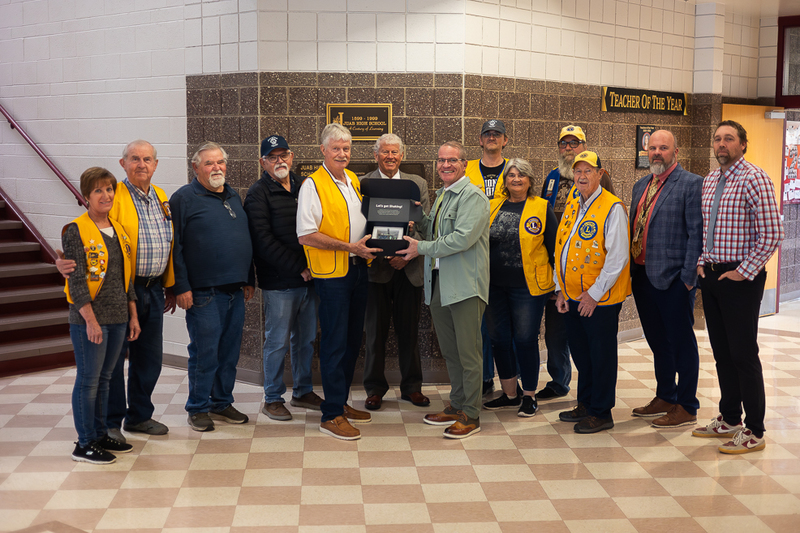
Recognizing the value of this opportunity for local students, the Nephi Lions Club partnered with DRI and Juab High School to fund the purchase of the additional sensor. With their support, the second sensor has now been successfully installed—completing the system and expanding the scope of what students can learn and explore in their science classrooms.
The UHSN project is an ambitious effort led by DRI to connect high schools across Utah through a network of seismic sensors. Juab High School is the first of five schools included in the initial phase of the project, alongside North Sanpete, Wasatch Academy, Gunnison Valley, and Millard schools. As the network grows, future phases aim to bring this technology to schools across much of central and southern Utah.
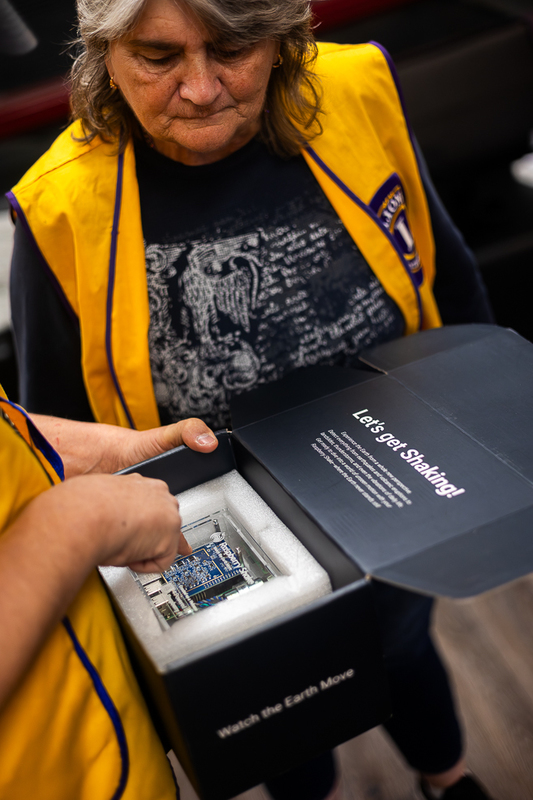
At Juab High School, the project has been developed in close collaboration with science teacher Zach Taylor, who worked with DRI on the specifications and implementation of the sensor system. The equipment being used—Raspberry Shake seismic sensors—provides professional-quality data that allows students to observe and analyze real seismic activity, including movement along the Wasatch Fault and throughout Utah’s seismic region.
Ken Sevy, a member of the Nephi Lions Club and project lead for the initiative, emphasized the importance of investing in education and youth. He noted that “the club has many core efforts that contribute to the growth and education of youth,” adding that this project is “a very good example of the community contributions the Lions Club was founded on in 1917.”
The impact of this contribution goes beyond the equipment itself. With both sensors now in place, students at Juab High School have access to real-time, publicly available seismic data—giving them the opportunity to engage with science in a way that is interactive, relevant, and rooted in real-world applications. Rather than simply learning concepts from a textbook, students can now explore live data, conduct their own analyses, and better understand the geological forces that shape their region.
Dr. Dale Anderson of DRI highlighted that the long-term vision of the UHSN is to advance science education not only in Utah, but also in neighboring Nevada, by making this data accessible to both students and the public. By integrating cutting-edge research tools into the classroom, the program aims to inspire curiosity, strengthen scientific literacy, and provide students with experiences that mirror real scientific work.
This collaboration stands as a powerful example of what can happen when educators, researchers, and community organizations come together with a shared goal. Through the combined efforts of Juab High School, DRI, and the Nephi Lions Club, students are gaining access to opportunities that will deepen their understanding of science and open doors to future learning.
As the Utah High School Seismic Network continues to expand, Juab High School will remain at the forefront—thanks in large part to a community that believes in investing in its students and their future.